Changing our perception of Sharks
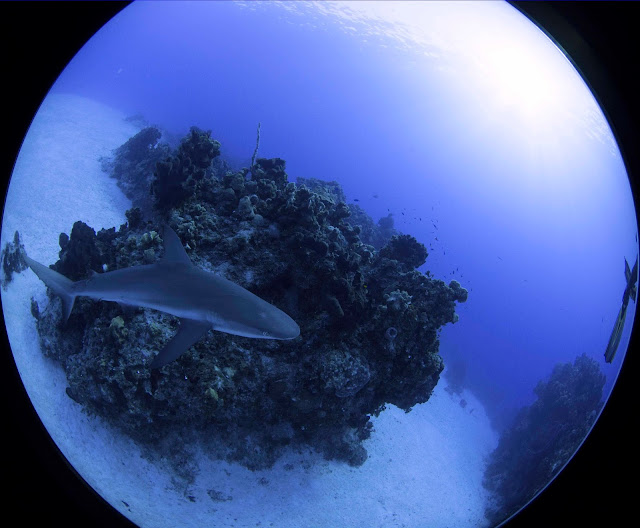
Anjani Ganase, marine biologist, proposes greater respect and a different understanding of the place of sharks in ocean ecosystems When we think of sharks, we imagine them as bloodthirsty creatures, roaming the deep blue seas for unsuspecting beach-goers and swimmers. Growing up, movies such as Jaws and Deep Blue Sea instilled fear in people and children. Yes, sharks are top predators, but they don’t hunt people; and are important in keeping our marine environments in balance. Sharks are part of a diverse sub-class, known as Elasmobranchii, which also include skates and rays. Being part of the class chondrichthyes, this means that their structure is made up of cartilage rather than bones. A lighter cartilage skeleton and a tough outer skin makes for lightweight and efficient movement through the water column. There are over 400 species of sharks globally, much higher than breeds of dogs (~340), yet we only hear of the larger, more dangerous species. Here in the Caribbean, ...